
Plunge Pool Cost: A Compact Luxury Option for Smaller Yards
For homeowners with limited outdoor space, a traditional swimming pool may seem impractical. A plunge pool offers an appealing alternative, combining the comfort and style of a pool with a smaller footprint. Before making a decision, understanding plunge pool cost can help homeowners determine whether this compact luxury feature fits their budget and backyard.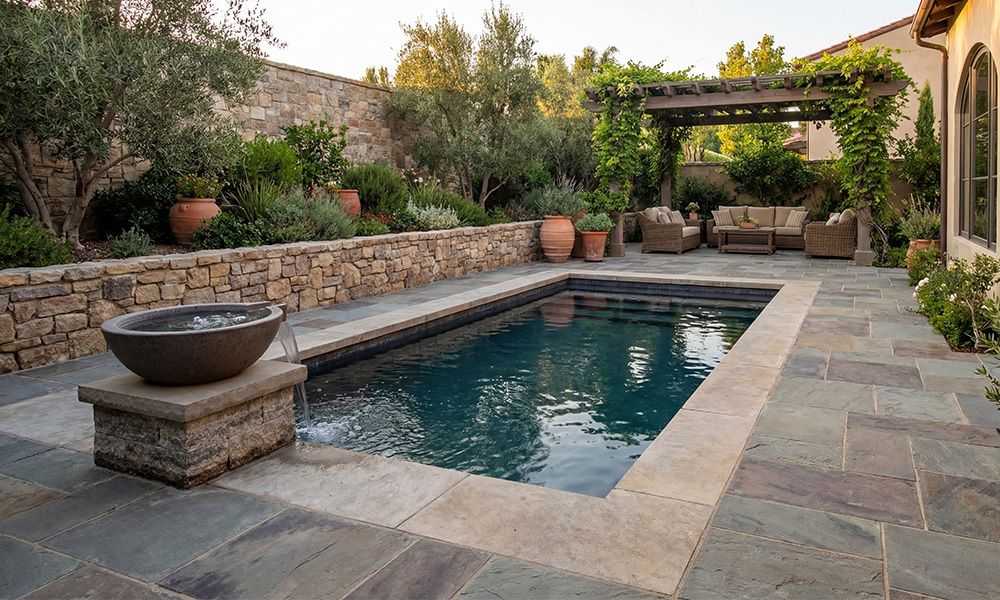
What Is a Plunge Pool?
A plunge pool is a compact pool designed primarily for cooling off, relaxing, soaking, and light water-based recreation rather than swimming long laps. These pools are typically smaller and deeper than standard residential pools, making them particularly suitable for properties with limited yard space.
Plunge pools can be installed in a variety of designs, including concrete, fiberglass, and prefabricated models. Depending on the homeowner’s preferences, they may also include features such as built-in seating, water jets, heating systems, lighting, waterfalls, and automated controls.
Plunge Pools Bring Luxury to Smaller Backyards
Plunge pools bring luxury to smaller Westchester and Fairfield County backyards for less. Because they require less space and often use fewer materials than a full-size swimming pool, they can provide homeowners with a practical way to enjoy a private backyard retreat without dedicating most of the yard to a pool.
For homeowners in areas such as Westchester County and Fairfield County, where property sizes and landscaping layouts can vary significantly, a compact pool can make better use of available outdoor space.
How Much Does a Plunge Pool Cost?
The cost of a plunge pool can vary considerably depending on its size, construction method, site conditions, finishes, and additional features. A basic prefabricated plunge pool may have a lower initial cost, while a custom concrete pool with premium finishes and integrated features can require a significantly larger investment.
Several factors influence the final price:
- Pool size: Larger plunge pools generally require more materials, excavation, and installation work.
- Construction type: Fiberglass, concrete, and prefabricated systems have different installation and material costs.
- Site preparation: Sloped, rocky, or difficult-to-access yards can increase excavation and construction expenses.
- Access to the property: Limited equipment access may make installation more complicated.
- Features and finishes: Heating, lighting, jets, waterfalls, tile, coping, and automation can increase the overall price.
- Landscaping: Decking, patios, fencing, drainage, and landscaping may add to the project’s total investment.
Because every property is different, homeowners should obtain a detailed site-specific estimate rather than relying solely on a general price range.
Why Plunge Pools Can Be a Smart Choice for Smaller Yards
One of the biggest advantages of a plunge pool is its compact footprint. A smaller pool leaves more room for patios, outdoor kitchens, gardens, seating areas, and other features.
Plunge pools can also be easier to maintain than larger swimming pools because they generally contain less water and have a smaller surface area. However, maintenance requirements still depend on the pool’s design, filtration system, water features, and frequency of use.
Another advantage is versatility. A plunge pool can serve as a cooling pool during hot weather, a relaxing space after work, or a centerpiece for an outdoor entertainment area.
Features That Can Increase Plunge Pool Value
A plunge pool does not have to be basic. Homeowners can customize the experience with features that improve comfort and aesthetics.
Popular additions include:
Heating systems: Heating can extend the pool’s usable season and make the water more comfortable during cooler months.
Water jets: Jets can create a spa-like experience and provide relaxing water movement.
LED lighting: Underwater and surrounding lighting can improve nighttime ambiance and visibility.
Built-in seating: Integrated benches or ledges provide comfortable areas for relaxing.
Waterfalls and fountains: Decorative water features can add visual interest and soothing sounds.
Automation: Smart controls can make it easier to manage temperature, filtration, lighting, and other systems.
While these features can increase the upfront investment, they may significantly improve the overall enjoyment of the pool.
Planning a Plunge Pool for a Westchester or Fairfield County Property
Before construction begins, homeowners should consider more than just the pool itself. Local zoning requirements, property setbacks, permits, drainage, fencing, utilities, and site accessibility can all affect the project.
A professional pool contractor can evaluate the property and determine the best location and design. This is especially important for smaller yards, where every foot of available space matters.
Homeowners should also think about how the pool will connect with the rest of the backyard. Coordinating the pool with patios, landscaping, outdoor kitchens, and seating areas can create a more cohesive outdoor living space.
Is a Plunge Pool Worth the Investment?
For the right homeowner, a plunge pool can deliver many of the benefits of a traditional pool while requiring less space. Its value is not necessarily based on size but on how effectively it transforms the available backyard.
A well-designed plunge pool can become a focal point for entertaining, relaxation, and outdoor living. Homeowners who prioritize compact design, convenience, and luxury may find that a plunge pool is a better fit than a large conventional swimming pool.
Frequently Asked Questions
How much does a plunge pool typically cost?
Plunge pool prices vary based on construction type, size, site conditions, installation requirements, and features. A basic model can cost substantially less than a large custom pool, while premium custom designs can still represent a significant investment.
Are plunge pools cheaper than traditional pools?
They can be. Their smaller size may reduce excavation, materials, water capacity, and some installation costs. However, the final price depends heavily on the construction method and property conditions.
Can a plunge pool fit in a small backyard?
Yes. Plunge pools are specifically designed to provide a pool experience within a smaller footprint. A professional site evaluation can help determine the appropriate dimensions and placement.
Do plunge pools require less maintenance?
They may require less maintenance than larger pools because they typically contain less water and have a smaller surface area. Regular cleaning, filtration, chemical balancing, and equipment maintenance are still necessary.
Can a plunge pool be heated?
Yes. Many plunge pools can be equipped with heating systems, allowing homeowners to enjoy the pool more comfortably during cooler weather.
Can I customize a plunge pool?
Absolutely. Depending on the pool system, homeowners may be able to customize finishes, seating, lighting, water features, heating, jets, and automation.
Conclusion
A plunge pool can be an excellent solution for homeowners who want a luxurious backyard water feature without sacrificing most of their outdoor space. While plunge pool cost depends on numerous factors, its compact design can make it a practical alternative to a full-size swimming pool.
For homeowners in Westchester and Fairfield County, careful planning, professional installation, and thoughtful customization can turn even a smaller backyard into a comfortable and stylish outdoor retreat. The key is to evaluate the property, establish a realistic budget, and choose features that provide the greatest value and enjoyment.